Energy costs remain one of the largest operational expenses for commercial buildings, and continued volatility across energy markets has made effective energy management more important than ever. Organisations that adopt a strategic approach can reduce operating costs, improve building performance and make meaningful progress towards their sustainability and Net Zero objectives.
Energy Audits and Assessments
A successful energy strategy begins with a clear understanding of how a building consumes energy.
Comprehensive energy audits identify inefficiencies, quantify potential savings and prioritise improvement opportunities based on cost, performance and return on investment. These assessments evaluate every aspect of building performance, from the building fabric and mechanical systems to operational practices and occupant behaviour.
Optimising Building Management Systems
Modern Building Management Systems (BMS) provide powerful tools for monitoring, controlling and optimising energy use. However, many organisations fail to realise their full potential.
By refining operating schedules, adjusting system set points and improving control strategies, facilities managers can often reduce energy consumption by between 10% and 25% without significant capital investment, while maintaining comfort and operational performance.
LED Lighting Upgrades
Lighting can account for a substantial proportion of a commercial building’s energy consumption.
Replacing conventional lighting with LED technology can reduce energy use by between 50% and 75%, while also improving lighting quality and lowering maintenance requirements. Integrating occupancy sensors and daylight-responsive controls further enhances efficiency by ensuring lighting is only used when and where it is needed.
Improving HVAC Performance
Heating, ventilation and air conditioning (HVAC) systems are typically the largest consumers of energy within commercial buildings.
Upgrading to high-efficiency equipment, installing variable speed drives and optimising control strategies can significantly reduce energy consumption while improving occupant comfort, indoor environmental quality and system reliability.
Integrating Renewable Energy
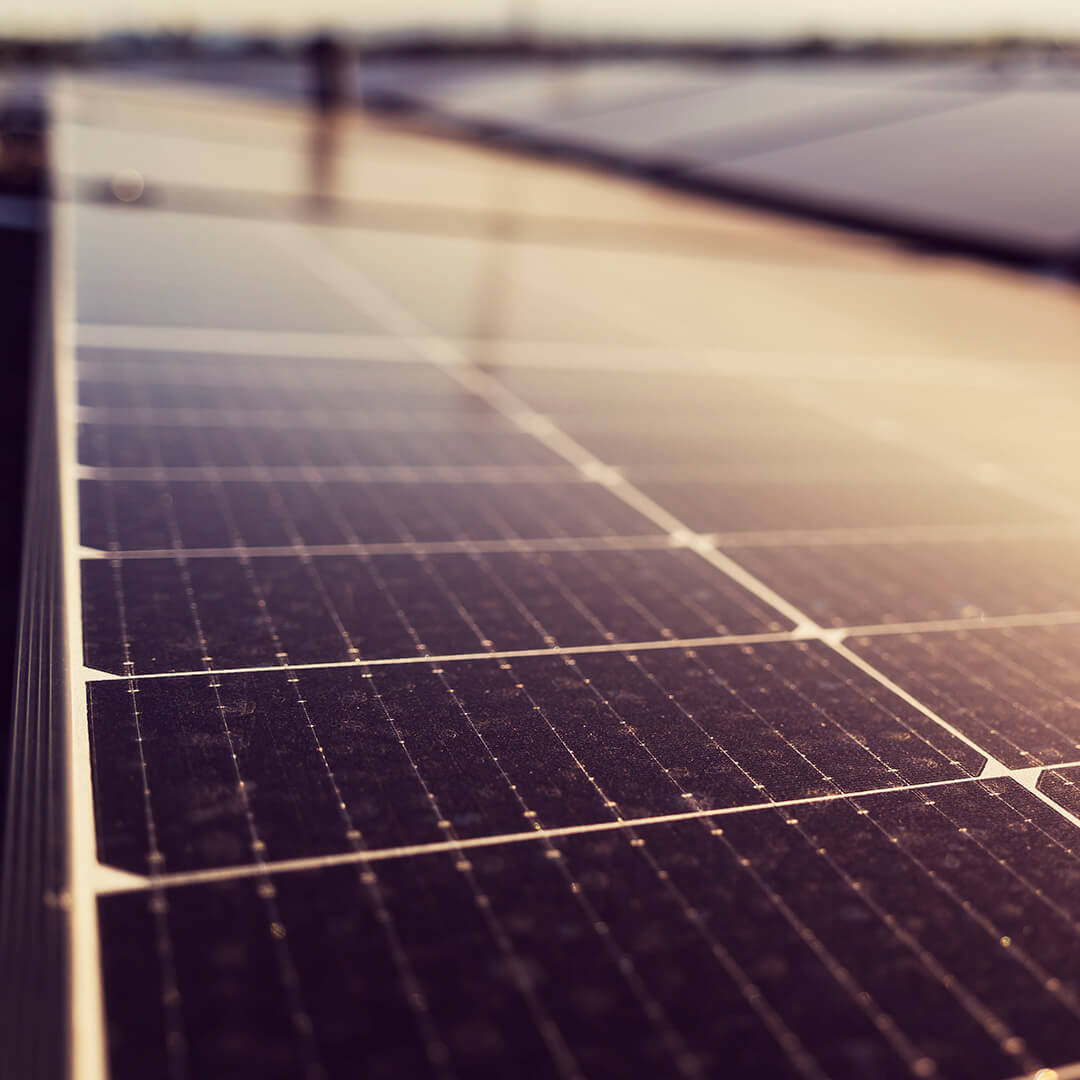
Generating renewable energy on site through technologies such as solar photovoltaic (PV) systems can help organisations reduce dependence on the grid and improve long-term energy resilience.
In addition to lowering carbon emissions, renewable energy installations provide greater certainty over future energy costs and increasingly deliver attractive financial returns as technology continues to advance.
Strategic Energy Procurement
Managing how energy is purchased is just as important as managing how it is consumed.
Organisations may choose fixed-price contracts to provide budget certainty, flexible purchasing strategies that respond to market conditions, or Power Purchase Agreements (PPAs) to support renewable energy generation. Selecting the right procurement strategy requires careful consideration of market trends, organisational objectives and risk appetite.
Operational and Behavioural Improvements
Technology alone cannot deliver maximum energy savings.
Encouraging energy-conscious behaviours, providing colleague training, implementing effective shutdown procedures and maintaining building systems correctly all contribute to reducing unnecessary energy consumption. Small operational improvements, when consistently applied, can deliver significant long-term savings.
Continuous Monitoring and Performance Management
Energy management should be viewed as an ongoing process rather than a one-off project.
Continuous monitoring allows facilities teams to track energy performance in real time, verify the effectiveness of improvement measures and identify new opportunities for optimisation. Regular reporting also provides valuable insight for stakeholders and supports informed decision-making across the organisation.
Funding Opportunities and Financial Incentives
Many energy efficiency projects can be supported through grants, incentive schemes and utility-funded rebate programmes.
Identifying available funding opportunities can improve project viability, shorten payback periods and make investment in energy-saving technologies more financially attractive.
Building a More Efficient Future
With energy prices continuing to fluctuate and sustainability expectations increasing, organisations that invest in comprehensive energy management strategies will be better placed to control operational costs, improve building performance and achieve their environmental commitments.
Energy management is no longer simply about reducing utility bills—it is a strategic investment in operational resilience, business performance and long-term sustainability. Organisations that act now will be best positioned to create more efficient, lower-carbon buildings capable of meeting the demands of the future.